
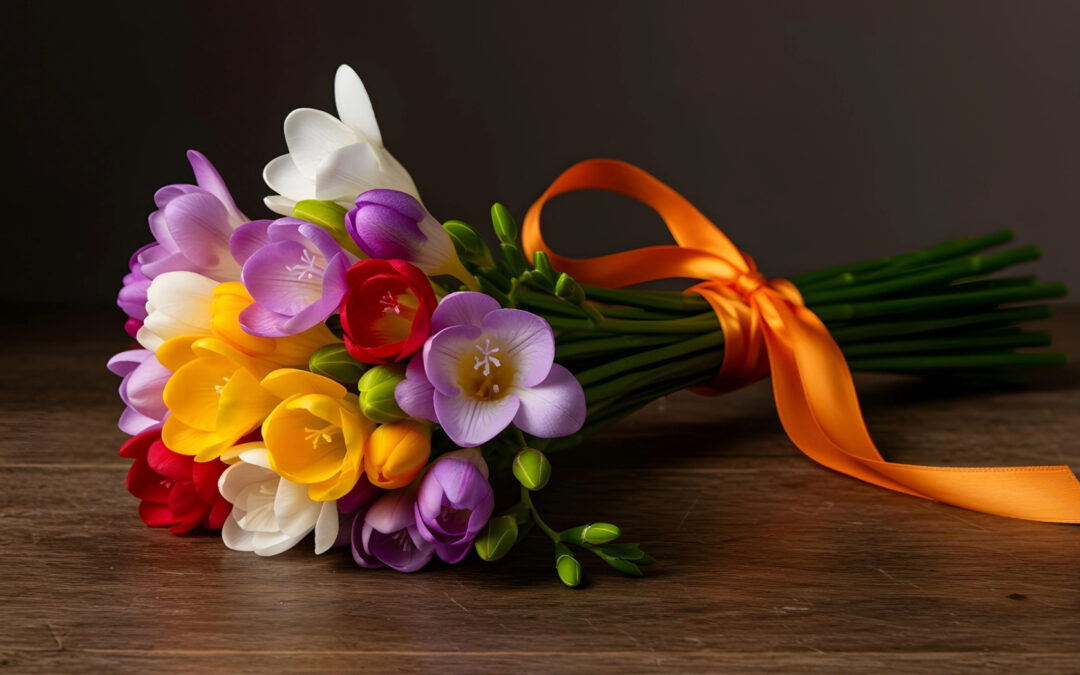




Seasonal flowers provide freshness, value, and variety. Understanding seasonal availability helps you select the right blooms for the right time, ensuring vibrant arrangements and reasonable costs.
Spring brings tulips, daffodils, and hyacinths, while summer offers sunflowers, peonies, and lilies. Autumn highlights chrysanthemums and dahlias, and winter includes roses, poinsettias, and festive greenery. Selecting flowers in season reduces the need for imports, cutting costs and ensuring optimal bloom quality. For affordable seasonal options, see Cheap Flower Delivery Without Cheap Results.
Delivery timing also matters. Flowers that arrive at peak freshness require careful sourcing and handling. Some florists offer advance scheduling to ensure seasonal blooms are available when needed. For scheduling guidance, see Can You Schedule Flower Delivery in Advance.
Design considerations include colour harmony, bloom size, and bouquet composition. Seasonal flowers often have complementary colours that allow florists to create visually striking mixed bouquets. For examples, see Mixed Bouquet Delivery. What You Usually Get.
Care and handling affect how long seasonal flowers last. Trim stems, refresh water, and avoid heat or direct sunlight. Florists often package seasonal blooms with water packs to maintain hydration during transit. For additional freshness tips, see How Flower Delivery Services Keep Blooms Fresh.
Understanding seasonal availability, delivery timing, design, and care ensures that your floral gift or décor is vibrant, long-lasting, and cost-effective. Choosing in-season flowers maximizes freshness, beauty, and value.